The role of an F1 performance coach
The first thing I look at when working with any athlete is the environment they have to perform in and the requirements / challenges they face.
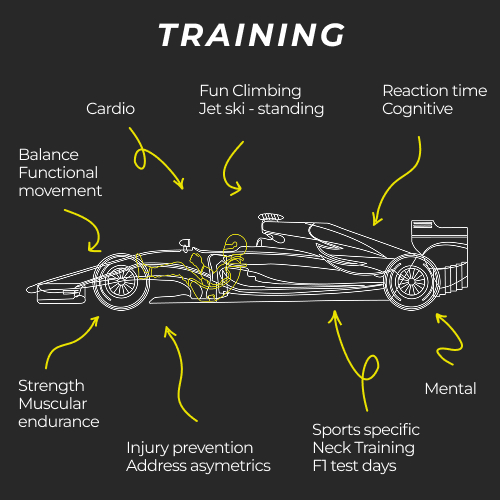
F1 is a unique sport and extremely intense. Here are the considerations that I take into account when building out a program.


HOW DO YOU TRAIN
AN F1 DRIVER?
For an overview on how I approached this scroll right
PRE SEASON
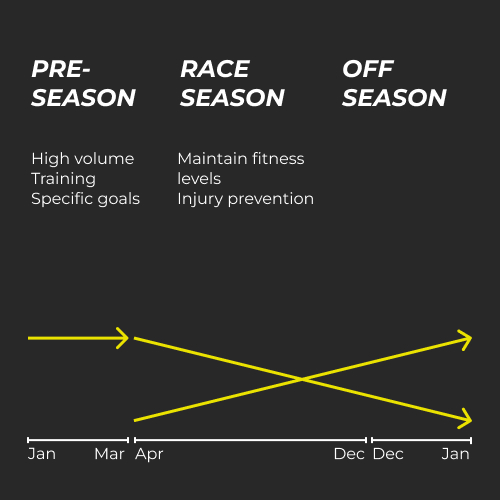
This is where the bulk of the physical training is done in preparation for the upcoming season, sometimes guided by regulation changes. For example, in 2009, with the introduction of the KERS system some cars were overweight (including ours). Most coaches had to reduce driver weight to avoid losing valuable time on the track. Given that drivers typically operate at very low body fat levels (around 11–12%), reductions required careful sacrifice of lean muscle mass, balancing weight loss with the maintenance of strength and endurance.
In other seasons, increased downforce or the introduction of higher-grip tires—resulted in elevated cornering speeds, substantially increasing neck loading and musculoskeletal stress. These shifts required adjustments to training protocols, emphasizing enhanced neck strength and endurance to accommodate the heightened physical demands on track.
F1 RACE SEASON
Once the F1 season begins, the primary objective shifts to maintaining established fitness levels. The competitive calendar is demanding – now 24 races per year, compounded by long-haul travel, media obligations, test sessions, and factory visits. To manage this load, training volume was gradually tapered while more emphasis was placed on recovery strategies as the season progressed, supporting both physical and mental resilience.
Adequate recovery was critical for sustaining performance and supporting the mental demands of continuous competition.
CARDIO
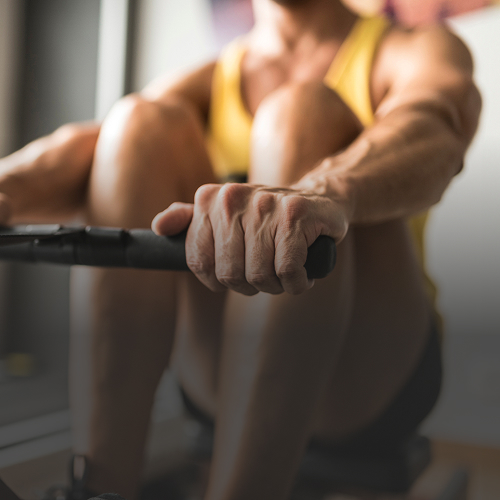
Developing a strong aerobic base is fundamental in any sport, and Formula 1 is no exception. We used a variety of modalities—including cross-country skiing (or ski ergometer work), cycling, rowing, and swimming—to build and maintain cardiovascular fitness. Typically, around 80% of aerobic training was performed in Zone 2 to develop endurance efficiency, with the remaining 20% targeting improvements in VO₂ max and overall cardiovascular capacity.
From a performance standpoint, an F1 race can last up to two hours, requiring the driver to sustain a consistently high output throughout. A well-developed aerobic system is therefore critical.
BALANCE /
FUNCTIONAL
MOVEMENT PATTERNS
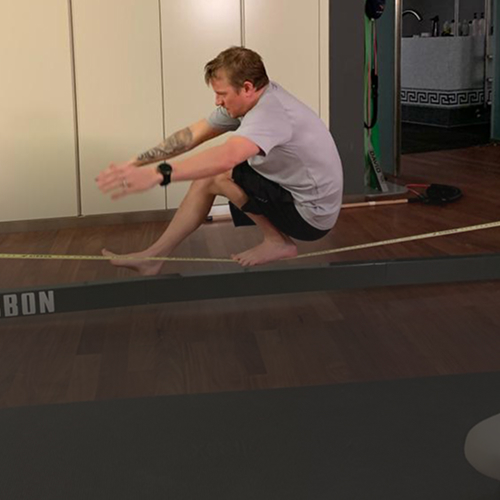
Joint stabilization formed a fundamental component of our functional training program. This could be progressed across multiple levels of difficulty — in the picture, Kimi performs pistol squats on a slackline. Each exercise independently challenges neuromuscular control, but in combination they provide an advanced stimulus for ankle and hip stability, mobility, strength, and proprioceptive balance.
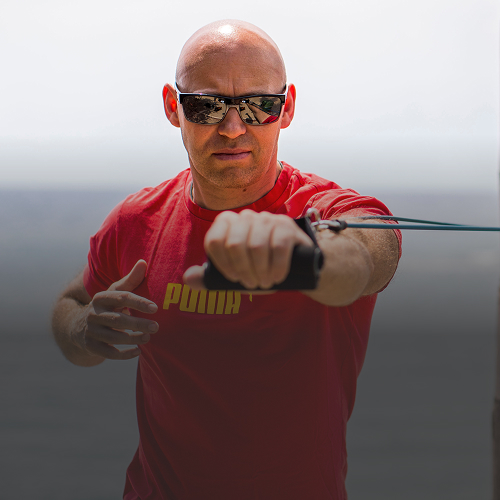
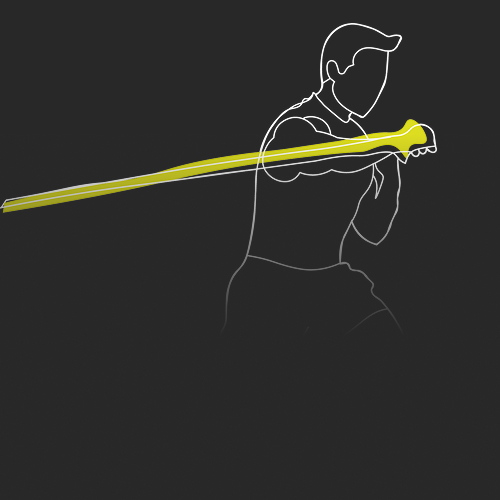
Our sessions frequently incorporated cables, resistance bands, and kettlebells to target integrated movement patterns rather than isolated muscle groups. Given the extreme forces encountered during driving, developing a resilient, highly stable core was critical.
SPORTS SPECIFICS
During the Pre-season we train the neck a lot, but real test comes from the first F1 test of the year. If it’s Barcelona, it’s tough. Turn 3, a high-speed right hander puts huge load through the neck. The neck it’s normally toast before the end of the first day. However, if the first test is in Bahrain, it’s much easier on the neck with drivers able to complete up to 2 race distances in a day.
With Kimi, once the season started, we didn’t train the neck that much, the driving took care of it, the only exception being the build up to Brazil which presented a challenge as we race anti-clockwise there with a fast last corner.
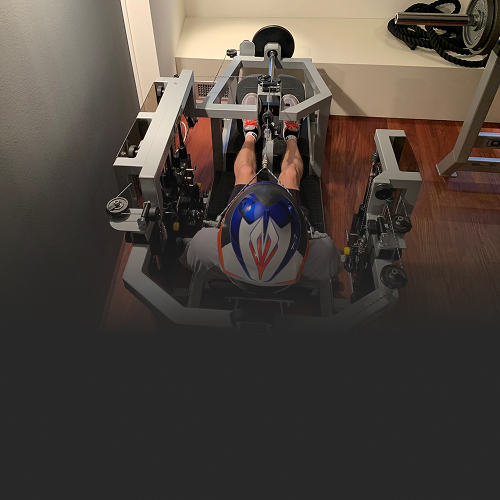
Pictured – Kimi is on a neck machine made by Technogym, initially designed with Michael Schumacher. I liked using this as it was very sports specific allowing us to work the neck in the driving position. Multifunctional, we could work any combination of flexion, extension, rotation as well as working on isometrics.
COGNITIVE /
REACTION TIME
The cockpit of an F1 car presents a complex and demanding environment. Physically, drivers endure extreme heat combined with dehydration, while engaging in intense wheel-to-wheel racing that demands exceptional spatial awareness and rapid reaction times.
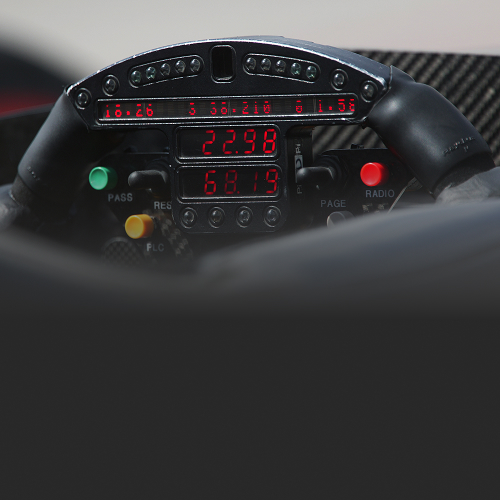
In addition to these physical challenges, drivers face a substantial cognitive load. The steering wheel—shown here—features numerous controls allowing real-time adjustments to brake balance, differential settings, and other parameters tailored to each corner and track condition. All of this occurs while navigating at speeds exceeding 250 km/h, requiring precise multitasking and acute situational awareness.
MENTAL HEALTH
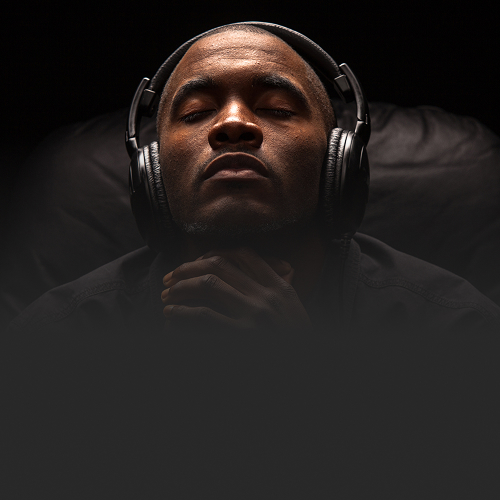
I’ve always found the mental side of sport fascinating. How does an athlete get “into the zone”, how are they able to perform under immense pressure? This is largely individual, and every athlete / coach has to work together to find what works the best. It could be breathwork, visualization, meditation or music, or a combination of these. When I worked with Mika, visualization was integral to prequalifying. Music was used by both Sebastian Vettel and Kimi Raikkonen to enhance focus and emotional control. Sitting in the car, visualizing – mentally rehearsing in their mind the perfect lap, improving neural efficiency and confidence under pressure.
Breathwork offers an accessible means of autonomic regulation and stress control that I think can be used by anyone, but ultimately its effectiveness depends on individual customization and practice. I found box breathing a great starting place.
LET’S HAVE SOME FUN
Sport is sport and you can’t always win. As a coach you have to have a fallback option if there are bad results, the car isn’t competitive or if you can see the driver needs to do something outside of their regular training. After a bad race, it might not be the best time to hit the gym, it might be better to “train” in a fun way. I used to climb with Kimi. Climbing works on hand / grip strength, forearms, involves a combination of mobility and flexibility and requires total concentration (otherwise you tend to fall off).
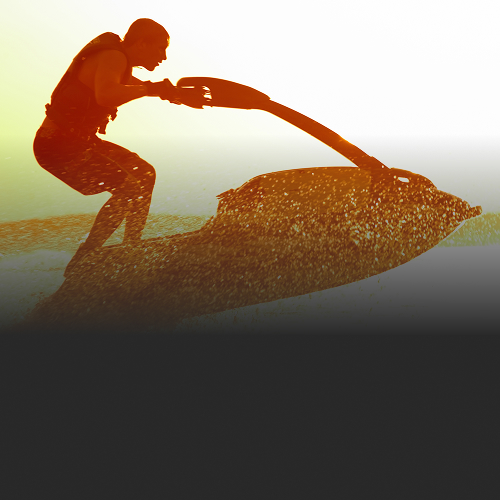
Kimi also used to use a stand-up jet ski. This was a great way to work balance / proprioception, core, arms and he’d do it for longer than I’d ever keep him in the gym. We also used to play a lot of badminton, between ourselves and often with Sebastian Vettel and his trainer. It was great fun and incredibly competitive!
RECOVERY
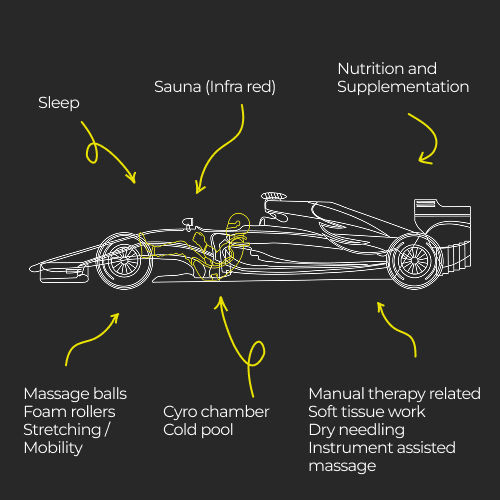
I have worked as a sports therapist for over 30 years. Before working in F1 I worked with members of the British Athletics team, England rugby team and a host of other international athletes. Recovery takes various forms, from recovery from the racing, the training as well as the extensive travel program. And we have to consider both the physical recovery as well as mental recovery especially when the driver is involved in a fight for the world championship (which I’ve been through 6 times with my drivers).

Click right to see there areas I have focused on.
PERFORMANCE
RECOVERY
SOLUTIONS
SAUNAS
Working with Finnish F1 drivers for 25 years is it a surprise we’ve used saunas as part of our recovery protocol for so long?
The science seems to have caught up with what Finn’s have known for years, saunas work well as part of the recovery process. Kimi had a sauna / Infra red sauna in his house, so they were easily accessible and well utilised as part of his recovery.
CRYO CHAMBERS AND COLD BATHS
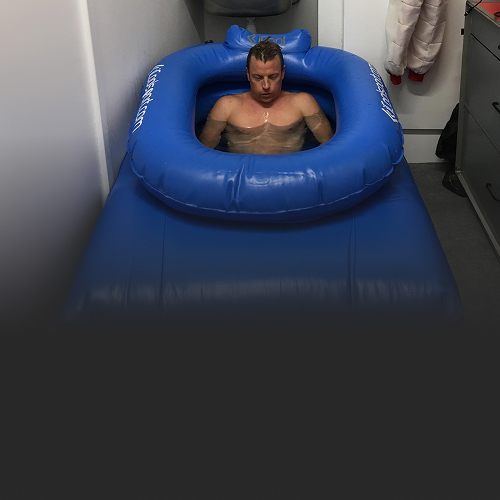
On the opposite end of the spectrum to saunas we have another form of recovery in the shape of cryo chambers and cold baths. There is a distinct difference in how I have used both. Like the sauna, Kimi had a cryo chamber in his house which provided a great form of recovery from training and was something we used when returning from the races. The impact it had on sleep was also highly beneficial. The cold pool was something I started using in 2007. Ferrari carried in their freight for me an iBody cooling bath. I used this to reduce core body temperature post driving at races that were particularly hot and humid, Malaysia and Singapore being the main two. It is now a common site at the race in Singapore as the idea seems to have caught on.
MANUAL THERAPY
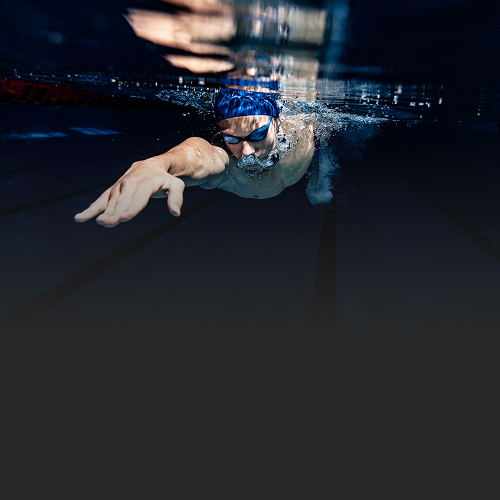
When it comes to races, we rarely trained over the race weekend as it’s all about recovery. (swimming was the exception). Oftentimes in the evening if the hotel had a pool, we would do some recovery-based swimming. Front crawl is great at improving thoracic mobility, so long as you breath to each side).
Post driving, we often did soft tissue work, dry needling, stretching etc to help the body recover from the days driving. I had a treatment couch that the team transported around the world for me.
SLEEP
Bottom line, sleep plays a huge role in recovery. It’s not easy when travelling extensively around the world to maintain a good sleeping rhythm. The jet lag planning / management becomes critical. I have always planned the travel, booked the flighst and hotels to make sure the jet lag plans are as effective as possible. I’ve always worked with the hotels we stay in to provide extras as needed whether that meant certain pillow types or covering carpet in the rooms (which aggravated Kimi’s asthma), making sure the hotel had all the ingredients to make daily ginger shots and getting quiet rooms on high floors away from elevators etc.
NUTRITION AND
SUPPLEMENTATION
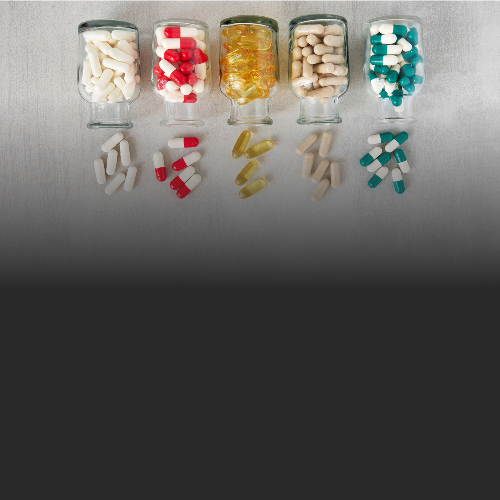
Quality targeted nutrition is a big part of the recovery and repair process in combination with all of these other modalities. Supplementation is also used to optimize recovery from driving, training and travel as well as sleep. In the majority of cases I have worked with my biochemist to tailor the supplements to our needs ensuring the highest quality ingredients in doses scienticifally shown to work.
F1 FLUID FACT
Drinking system in the car – like a windscreen washer system in a road car. Connects through the helmet – button on the steering wheel. The system contains between 0.5 – 1L of fluid. No way to keep it cool and heats up quickly. Drivers use this on longer straights
PERFORMANCE
NUTRITION
Where do I start when preparing a nutritional plan for an F1 driver? The first thing we need to create is a baseline.
ANALYSIS
I always had very detailed blood, urine and stool analysis done in the best lab in Europe, along with one quality DNA test (and an expert to interpret the data accurately) to create an accurate picture of everything that was happening inside the drivers body.
REAL FOOD
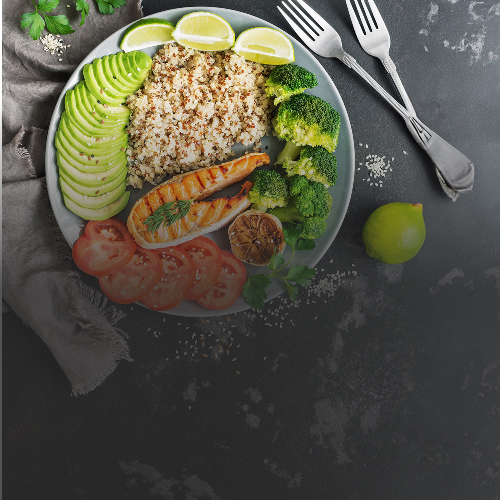
The first thing I do if any imbalances or deficiencies are found is to try to correct them using real food. We then retest to find out if this protocol has worked.
It’s a great idea for anybody to get blood work done to establish a baseline. Do you need to introduce other foods into your own nutritional plan to correct any imbalances. Do you really need the supplements you are taking?
INTRODUCING
SUPPLEMENTS
If real food hasn’t made the required improvements, I would then use targeted supplementation. My biochemist, a genius named Rob, tailor made the vast majority of the supplements I used with Kimi Raikkonen. This allows us to use the highest quality ingredients in doses scientifically shown to work.
I used specific formulations for recovery (from driving, from training), for sleep and immune system support and hydration (which worked so well I launched it as a standalone supplement) to name a few.
DRIVERS DIET
Driving an F1 car and the nutrition required is a little different to other sports. You still need the nutrient dense performance nutrition but due to a combination of the driving position and g-force experienced in the car it’s best to keep flavour and spices to a minimum as well as opting for easily digestible food.
I used to stick to a few options that worked to keep things consistent for breakfast and lunch, pre and post driving. Athletes understand that food is fuel and used for that purpose to optimize performance. It’s not necessarily something created to taste nice (although that’s a benefit).
I’ve always worked closely with the chefs in the teams. I’ve relied on them to source the highest quality food for the drivers.
TRAVEL
The F1 calendar is extremely intense from a travel perspective! From March to December, the drivers travel the globe, competing across four continents — flying to Australia, the Middle East, South America, Europe, North America, and Asia. The schedule includes both double and triple headers, all while juggling media days, test sessions, and factory visits.
At the same time, as performance coaches, we must ensure that drivers are able to peak at every race — focused, recovered, sharp, and illness-free. So how do we make that happen?
Fun fact:
Singapore being a night race is one of the easiest from a jet lag perspective as we stay on European time. This way there is no jet lag to contend with. I worked with the hotel to really black out the windows and make them aware not to contact the room. Meals were kept on European timing.
JET LAG – TRAVEL
PLAN I SET UP FOR
AN F1 DRIVER
- Book an A350 or Boing Dreamliner where possible.
- Book direct flight whenever possible, makes the jet lag plan much easier.
- Book flight times to match your jet lag plan.
- Phase shift in the direction of travel 3-5 days before departure if possible.
- When shifting, shift everything. Time, light exposure, food and training – all need to shift. Caffeine is a useful tool.
DAY OF TRAVEL
- On day of travel know your destination time. Know when you should sleep, eat and stay awake. Match to destination time!
- Buy healthy food at the airport. This will provide you with a more nutritious option and you’ll be able to eat at the correct time, not just when the cabin staff serve meals.
- Hydration is very important. It reduces many of the symptoms we associate with jet lag. Stay well hydrated pre, during and post flight.
- Have your travel kit handy – ear plugs, eye mask etc. As well as emergency kit should your start feeling sick.
IMMUNE SYSTEM
SUPPORT
When we travel, we can’t avoid the bombardment of bugs and bacteria heading through airports as well as “new” bacteria we encounter in foreign countries. There are things we can do to prepare ourselves and ways to mitigate as much as possible the possibility of picking up unwanted nasties.
- Ensure the immune system has the support it needs to fight off anything you may come into contact with — through proper nutrition and supplementation.
- Wash your hands frequently and carry antibacterial/antiviral hand gel. Security trays are a hotspot for germs touched by many people.
- Clean the seat area on the plane to remove anything left behind by previous passengers.
- Carry your “just in case” kit to quickly react to early symptoms.
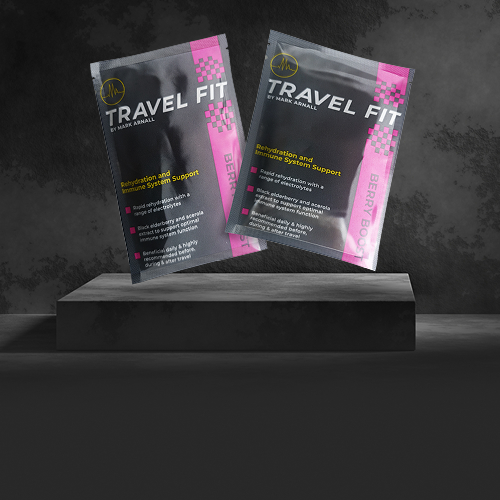
TRAVEL FIT
The ultimate travel supplement for rapid hydration and immune system support.
- Created for Former F1 world champion Kimi Räikkönen.
- Formulated by one of the worlds leading biochemists without compromise to address both hydration and immune system support in one supplement.
- Funded by Kimi with one instruction, make it the very best, “It has to work”.
- Contains the only the highest quality ingredients in doses scientifically proven to work.
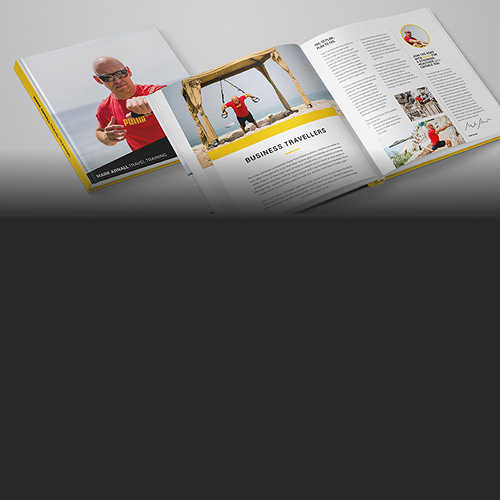
E-BOOK
If you want to a more in-depth look at how I approach travel to reduce the effects of jet lag and mitigate the chances of getting sick, I created an e-book going through each part of the process I follow in detail.